Overview
In Earth Pax Mundi, the failed assassination of Archduke Franz Ferdinand prevented World War I—and with it, the entire 20th-century upheaval. No Soviet Union; Russia remains a traditional Tsardom, while Ukraine and the Baltic states thrive independently. Germany leads the world in engineering and culture, Japan marries timeless customs with selective modernization, and the Austro-Hungarian and Ottoman Empires endure under reformed governance. A stable World Union mediates diplomacy, technology advances slowly, and nostalgia fuels a rich arts scene.
Highlights
- Failed WWI, no Soviet Bloc
- Independent Ukraine & Baltic republics
- German technological and cultural supremacy
- Traditional yet evolving Japan
- Enduring Austro-Hungarian & Ottoman Empires
- World Union ensures global peace
- Technology peaks in ’70s–’80s; slow internet
- Art optimistically rooted in classical forms
- Top tourist draws: Italy, Bulgaria, USA, Japan
Culture & Society
Pax Mundi’s society prizes tradition and stability. Monarchical courts in Europe and the Ottomans co-exist with Germany’s federal technocracies. Japan’s cultural festivals draw pilgrims worldwide. The World Union’s congresses convene in Geneva, fostering artistic exchanges and publishing global journals—largely on print and broadcast media, thanks to the slow internet.
Environment & Terrain
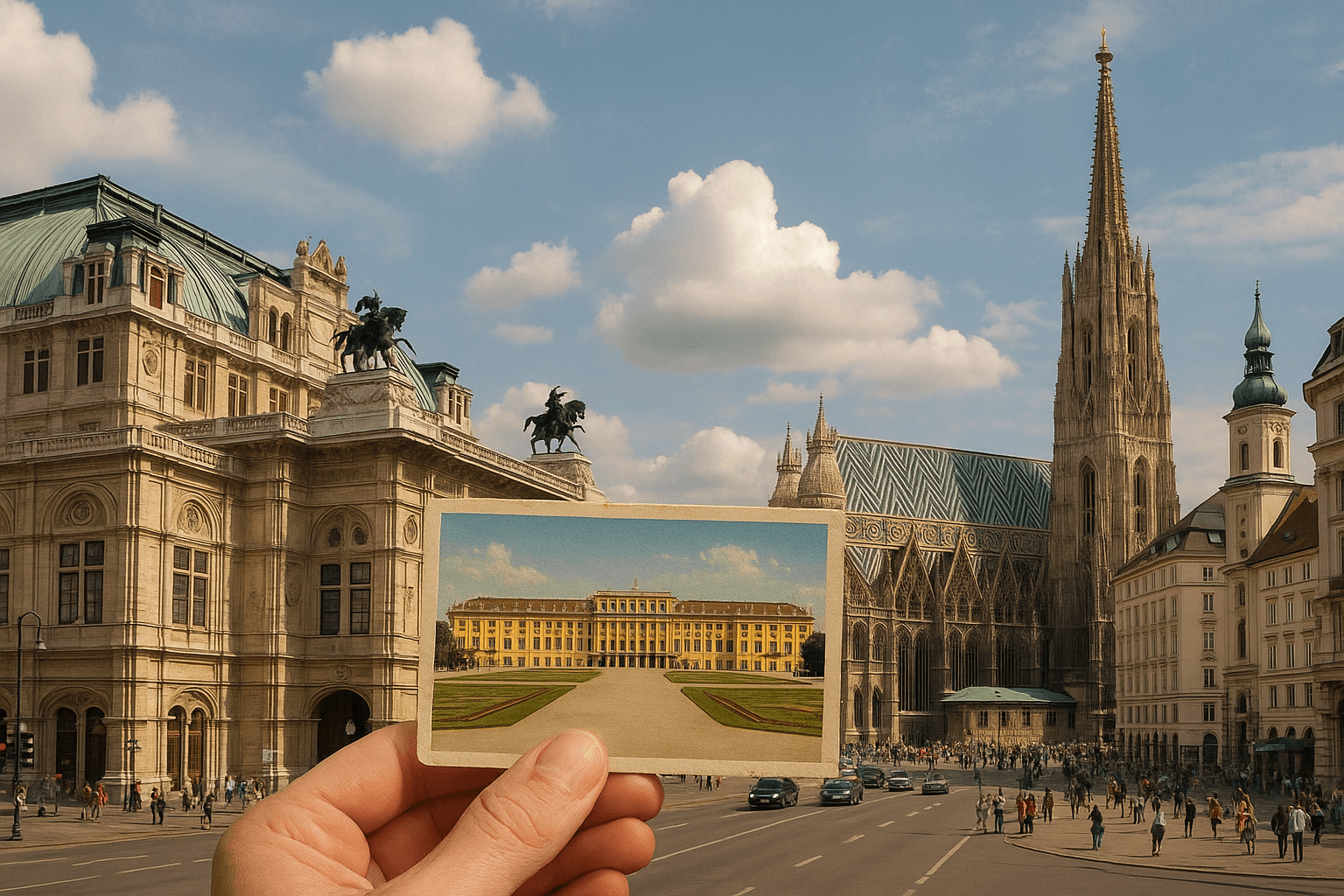
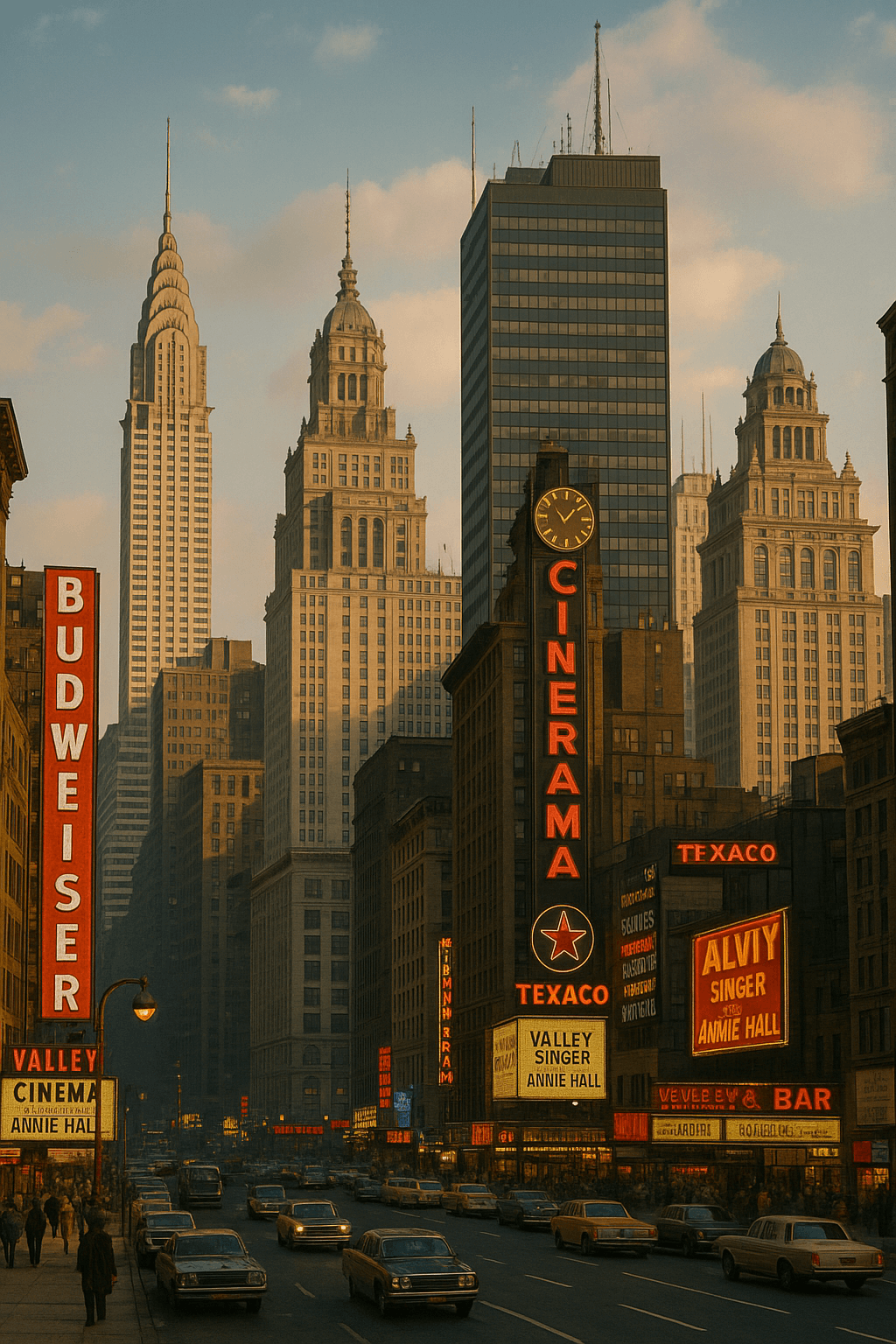
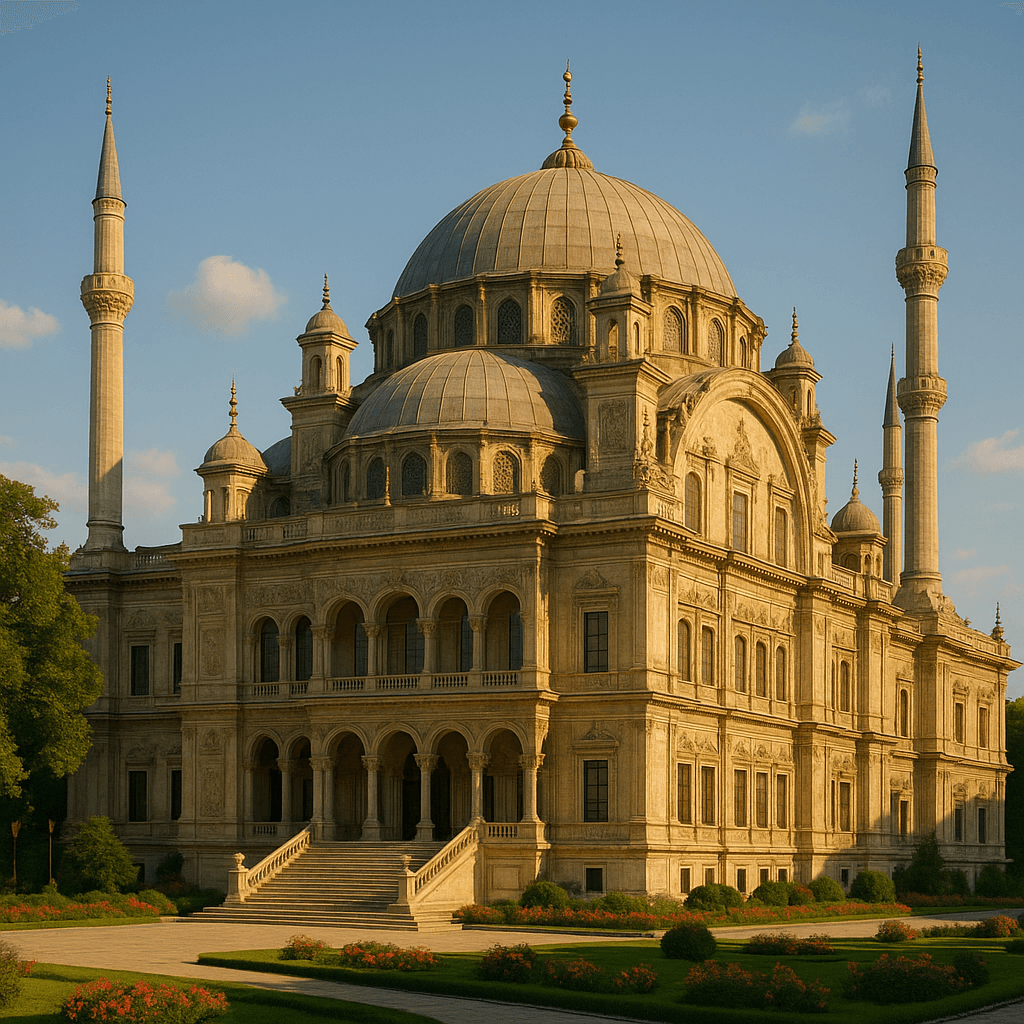
Europe’s historic palaces stand alongside Art Nouveau train stations. Italy’s Renaissance cities buzz with open-air markets. In the U.S., Silicon Valley’s modest campuses contrast with Hollywood’s glamorous cinemas. Japanese gardens and tea houses dot emerald hills, while Ottoman minarets grace Anatolian skylines.
Travel Tips
- Plan multi-city tours: Rome → Sofia → Berlin → Tokyo
- Buy World Union travel pass for visa-free entry
- Pack DVDs and radio receivers for entertainment
- Attend Italy’s classical art biennales and Japan’s tea ceremonies
- Book steam-era train journeys through the Europe
- Exchange currencies at world-union banks, not digital wallets
Frequently Asked Questions
Q: How do I get a World Union pass?
A: Apply online or at any embassy; processing is 3–5 business days via print documentation.
Q: Is Wi-Fi widely available?
A: Only in major cities—and at 1990s speeds. Bring media discs or enjoy cinemas and radio.
Q: What currency is used?
A: Local notes in each nation; US dollars and Deutsche Marks are widely accepted.
Objects to use
A brass subway token, a postcard with half a message, a bent paperclip crown, a 1998 cinema ticket stub, a matchbox with a painted stork.